


Building Near the Bay: What Your Builder Needs to Get Right
This guide walks through what actually needs to be right when building or renovating near the bay from the ground up.
Date
September 10, 2026
Category
Construction
Reading time
3 mins
Interested in discussing
your next project?
A block in Beaumaris or Sandringham isn't subject to the same conditions as one a few kilometres inland. Salt-laden air accelerates corrosion on anything metallic that isn't properly specified, wind loading is higher and more constant, and many coastal blocks sit on sandy or reactive soils that behave differently under footings than the clay found further from the water.
None of this is a reason to avoid building near the coast, it's a reason to build with it in mind. A builder who treats a Bayside coastal block the same way they'd treat an inland one is the most common source of premature corrosion, failed coatings and drainage problems down the track.
Getting the Structural Fundamentals Right From the Ground Up
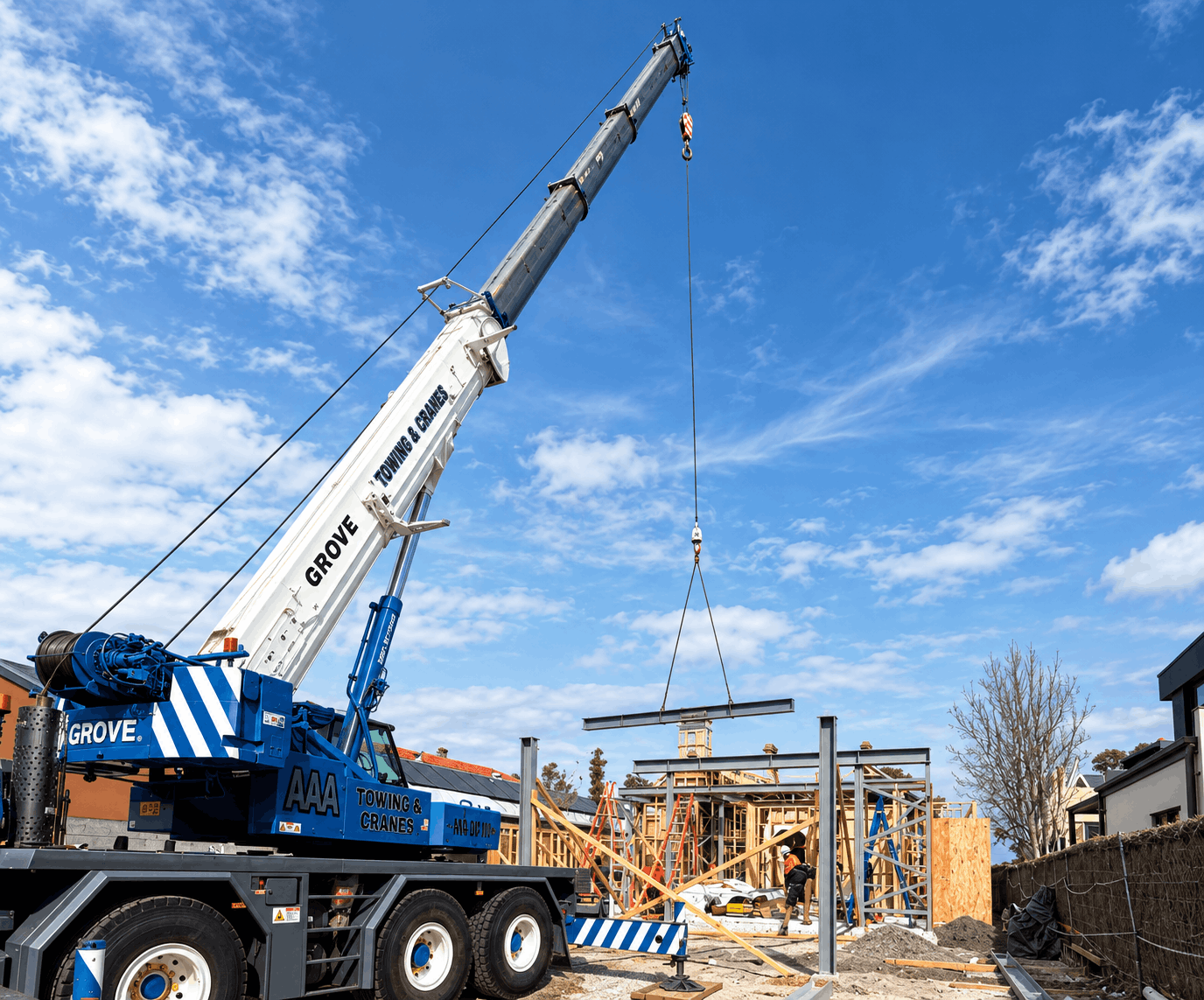
Coastal durability starts well before the frame goes up. Footing design needs to account for the soil profile actually present on the block, not a generic assumption, and any structural steel, portal frames, beams, posts needs to be specified in a coating or grade that's genuinely rated for a marine environment, not just standard mill finish.
This is also where an engaged structural engineer earns their fee. Coastal wind loading affects everything from how a frame is braced to how a roof is fixed down, and getting this stage right is far cheaper than remediating it once the home is lined and finished.
Materials and External Finishes That Actually Last
Not every cladding, render or coating system performs the same way fifty metres from the water as it does further inland. Marine-grade stainless steel fixings, powder-coated or anodised aluminium, and render and paint systems formulated for coastal exposure all cost more upfront than their standard equivalents and all pay that difference back many times over in reduced maintenance and a finish that still looks considered a decade on.
The fixings are where corners get cut most often, because they're invisible once the job is finished. A builder who insists on coastal-rated fasteners, brackets and flashings even where they're hidden behind cladding is protecting the building's long-term integrity, not just its appearance.
Drainage and Site Management
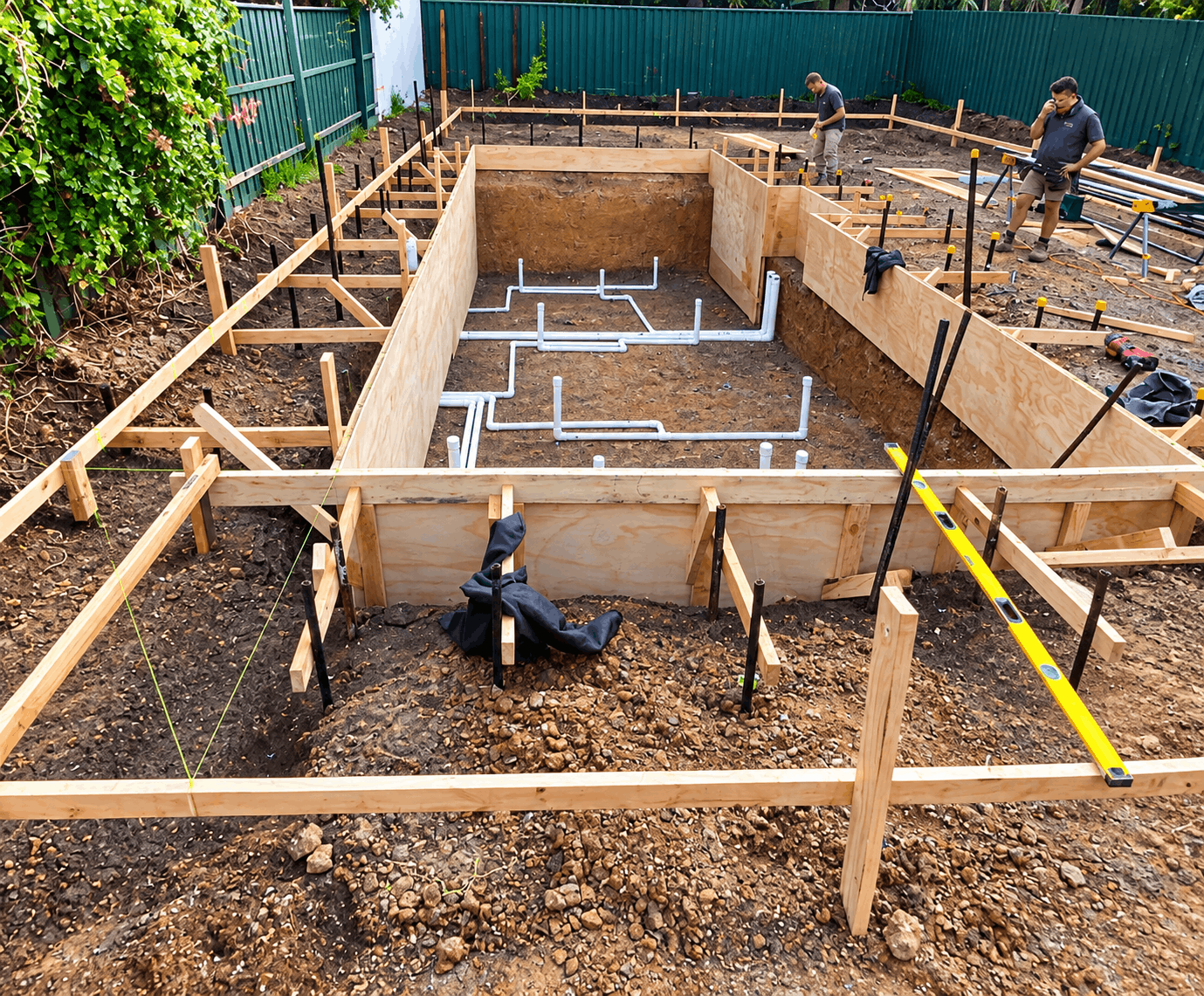
Sandy coastal soils drain differently to the clay common further inland, which changes how stormwater, subsoil drainage and retaining need to be designed. Get it wrong and a block that seemed to drain well during construction can develop damp, erosion or footing issues once the surrounding landscaping and hardscaping change how water moves across the site.
Good site drainage is designed at the excavation stage, not retrofitted once problems appear which is why the civil and drainage plan deserves the same attention as the architectural drawings.
Windows and Glazing for Coastal Exposure
Window and door hardware is one of the first things to show wear in a coastal environment if it isn't specified correctly. Marine-grade aluminium frames, stainless steel hardware and glazing seals rated for salt exposure all cost more than a standard residential specification — but standard hardware in a coastal setting can start corroding within a few years, long before the rest of the home shows any wear.
Orientation matters here too. Larger glazing facing prevailing coastal winds needs to be engineered for higher wind loads, which is another reason window specification should be settled early in the design process rather than value-engineered late.
Why the Builder's Role Matters as Much as the Materials
Specifying the right materials only works if they're actually installed correctly and in the right sequence. This is where a builder's oversight matters most: coordinating trades so waterproofing happens before it's covered over, checking that coastal-rated fixings are what actually turns up on site, and sequencing structural, waterproofing and services work so nothing gets built over before it's been signed off.
It's a role that's easy to underestimate from the outside, because most of it is invisible once a home is finished which is exactly why it matters. A home built near the bay that's still performing well after a decade is usually the result of dozens of small decisions like these, made correctly and in the right order.
Building Near the Bay With Cormack Developments
If you're planning a new build or renovation on a coastal Bayside block, we'd welcome the conversation about what your site specifically needs - from soil and structural considerations through to materials and finishes built to last. Get in touch with our team to talk through your project, or read more about our approach to building custom homes across Bayside.

Frequently Asked Questions
Coastal-grade materials marine-rated fixings, coatings, glazing and structural steel — cost more upfront than standard equivalents, but they reduce maintenance and premature corrosion significantly over the life of the home.
What building materials hold up best in a coastal Bayside environment? Marine-grade stainless steel fixings, powder-coated or anodised aluminium, and render, paint and coating systems formulated for coastal exposure all perform significantly better near the bay than standard residential-grade equivalents.
Does waterproofing need to be different for a coastal home? Yes, salt air degrades membranes faster than inland conditions, so coastal homes need waterproofing specified and installed with less margin for error, particularly around pools, outdoor wet areas and ground-level junctions.
How does sandy soil near the coast affect drainage and footings? Sandy, reactive coastal soils drain and settle differently to inland clay, which changes how footings, subsoil drainage and stormwater need to be designed from the outset rather than adjusted after the fact.
Do window frames need to be different for a home near the bay? Yes, marine-grade aluminium frames, stainless hardware and coastal-rated glazing seals resist corrosion in salt air far better than standard residential window specifications.
Does Cormack Developments build homes specifically designed for Bayside's coastal conditions? Yes, as a builder based in Bayside Melbourne, we specify materials, structural details and waterproofing for each site's actual coastal exposure, rather than applying a standard inland specification.

